It’s the Most Pumpkiny SVG Design
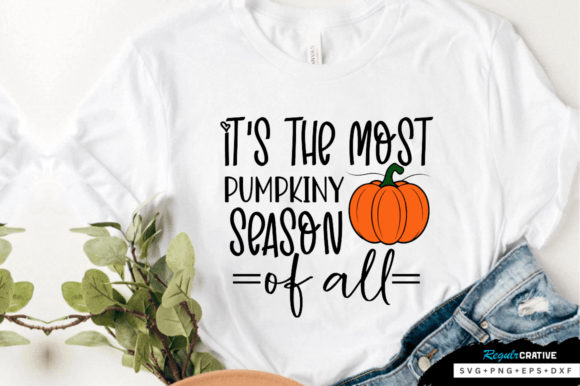
As someone who’s digitized, stitched, and sold hundreds of embroidery designs—from delicate monograms to bold holiday motifs—I opened It’s the Most Pumpkiny SVG Design expecting whimsy, not wonder. What I found wasn’t just pumpkin-themed; it was a tightly composed, personality-packed graphic that immediately suggested real-world use—not as a generic clipart filler, but as a signature element for handmade products with heart.
Last week, I used it to embroider a set of organic cotton tote bags for a local autumn market pop-up. Not as a standalone motif, but as the centerpiece on a 4” hoop—paired with subtle stem vines and a soft satin-stitched “Harvest Joy” banner beneath. The result? Customers paused, smiled, and asked, “Is that *your* design?” That’s the quiet power of It’s the Most Pumpkiny SVG Design: it reads as intentional, joyful, and unmistakably handmade—not mass-produced or overly polished.
First Impressions: Charm With Purpose
The shape is friendly and full-bodied—a rounded, slightly lopsided pumpkin with expressive, asymmetrical ridges and a curved, leafy vine curling from the top. There’s no excessive detail, no tiny tendrils begging to vanish in fill stitch. Instead, clean outlines, balanced negative space, and intentional weight distribution make it feel stable and legible at 3–5 inches wide—the sweet spot for tote bags, baby onesies, and kitchen towels.
It leans into warmth without saccharine overload. No glitter, no cartoonish eyes—just gentle curves, rhythmic ridges, and a natural flow that translates beautifully into satin and fill stitch. As a machine embroidery design, it avoids common pitfalls: no overlapping paths that cause thread nesting, no micro-details that blur on textured fabric, and no ultra-thin stems that snap under dense stitching.
Where It Shines (and Where to Pause)
It’s the Most Pumpkiny SVG Design excels in projects where authenticity and seasonal charm matter most. Think:
- Custom apparel—especially on midweight cotton sweatshirts and structured canvas totes, where its bold silhouette holds up without flattening.
- Baby embroidery—on burp cloths, bibs, or onesies—because its rounded forms read softly, and its scale adapts well to smaller hoops (test at 2.75” first).
- Holiday embroidery—used early October through Thanksgiving, not just Halloween—thanks to its earthy, harvest-ready vibe rather than spooky cliché.
- Embroidered patches—its clear outer edge and moderate density mean clean cutaway backing and crisp peel-and-stick application.
- Small shop product—like linen tea towels or ceramic mug sleeves—where it adds handmade distinction without overwhelming the item’s function.
That said, proceed thoughtfully on stretchy knits (like jersey t-shirts) unless you’re using light tear-away + cutaway stabilizer combo—and always test on scrap first. On dark fabric, avoid pale thread choices unless you’ve confirmed coverage; this design relies on contrast to carry its personality. And while it works on curved surfaces like caps, keep placement centered over the front panel—avoid the crown seam or bill curve, where distortion can soften those lovely ridges.
Design Integrity Meets Commercial Reality
For Etsy sellers and craft business owners, It’s the Most Pumpkiny SVG Design strengthens perceived value. Customers don’t buy pumpkins—they buy *feeling*: nostalgia, coziness, family tradition. This design delivers that quietly, without shouting. Its simplicity makes it easy to pair with your brand voice—whether you sell minimalist nursery decor or rustic farmhouse goods.
It also supports trust. When a customer sees crisp, even satin stitching around the pumpkin’s outline—and no fuzzy corners or skipped fills—they subconsciously register skill and care. That matters whether you’re gifting a pillow cover to a friend or fulfilling a boutique wholesale order.
But here’s what I check every time—before cutting fabric or listing a product: Does this embroidery file hold up in black-and-white mockups? (Yes—it does.) Does it retain clarity when scaled down to 2.5”? (Just barely—so I’d skip it for anything smaller than a child’s cap visor.) Does it layer cleanly over other elements in a multi-part design? (Absolutely—its vector roots mean clean paths and editable nodes, ideal for customizing in design software before digitizing.)
Practical Notes Every Embroidery Designer Should Keep Handy
Before stitching It’s the Most Pumpkiny SVG Design into your next finished product:
- Run a test stitch on scrap fabric matching your project’s weight and texture—especially if using textured weaves like burlap or looped terry.
- Confirm hoop size compatibility. While scalable, its proportions favor 4”–5” hoops for optimal balance.
- Review stitch density in your embroidery software. If filling the pumpkin body feels too heavy for lightweight fabric, reduce density by 10–15%.
- Check licensing. Since it’s listed as a Graphics asset in the Crafts category, verify whether commercial use—including selling embroidered tote bags or digital embroidery files—is permitted.
- Use medium-weight cutaway stabilizer for woven fabrics, and a light tear-away + fusible combo for knits.
- Try it in high-contrast thread pairings first—ochre on navy, charcoal on cream—to honor its warm-but-grounded character.
And one final note: It’s the Most Pumpkiny SVG Design doesn’t try to be everything. It’s not a complex applique design with layered fabrics, nor a fine-detail monogram. It’s a focused, confident statement—ideal for makers who understand that sometimes, the most memorable handmade product isn’t the most intricate one. It’s the one that makes someone pause, smile, and say, “Yes—that’s *exactly* how fall should feel.”